Every Gifted Filipino Child Deserves to Flourish
Not just to cope - but to grow, thrive and be understood
The Philippine Association for the Gifted (PAG) is a national community of parents, educators, and professionals working together to support gifted and twice-exceptional Filipino children through advocacy, education, and collaboration.

For Parents
Navigate giftedness with confidence. Access trusted guidance, community support, and practical tools to help your child thrive at home and in school.

For Educators and Professionals
Partner with a national network advancing gifted education in the Philippines through training, research, and shared best practices.
Programs and Events
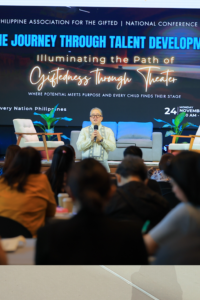
From national conferences to workshops and parent trainings, PAG creates spaces where learning, advocacy, and collaboration meet.
The Real Challenge:
Giftedness Without Support
Bright minds are often misunderstood, overlooked, or left unsupported.
Because systems are not designed for their unique needs
Gifted and twice-exceptional children often think, feel, and learn differently - yet most educational systems are designed for the average learner. Without appropriate identification, accommodations, and guidance, these children may experience frustration, disengagement, or mislabeling despite their potential. PAG exists to help families, educators, and professionals understand these differences and respond with informed, compassionate support.
Our Impact So Far

Who We Are
Founded in 1994
The Philippine Association for the Gifted is a non-profit organization dedicated to advancing gifted education and supporting gifted and twice-exceptional children across the Philippines. We bring together parents, educators, psychologists, and advocates to create informed pathways for identification, development, and well-being.
Discover our mission, values, and advocacy
Tune in to
Conversations on Giftedness
Resources
Through talks, articles, and conversations with experts and parents, PAG shares insights on gifted development, twice-exceptionality, and nurturing potential in real-world Filipino contexts.